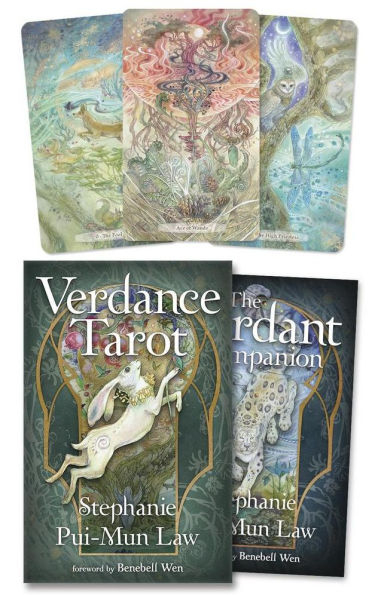
15 years ago (as of this writing in 2025) artist and writer Stephanie Pui-Min Law released the Shadowscapes Tarot deck, and since that time it seems to have ensconced itself in the library of tarot as a frequent favorite. It is hailed as a collection of beautiful and powerful images that spark the users' interaction with the divine or their subconscious (or whatever you happen to think goes on in a tarot reading). I have to admit that I bounced off of it when I first encountered it. I say this as a great admirer of Law's work - as in, we have original work of hers on our wall, and my wife and I licensed a piece of hers for a large reproduction of our wedding vows. For my tastes, though, it was so uniformly beautiful that I worried that would inhibit me getting unhappy news out of tarot, and if you remove bad news from the possibilities what are you even doing? Maybe that wouldn't be the case, but once I'm in my head about something like that it's a self-fulfilling prophecy. And so, I set it aside. I've told you all that as context for my examination of her latest offering, Verdance Tarot.
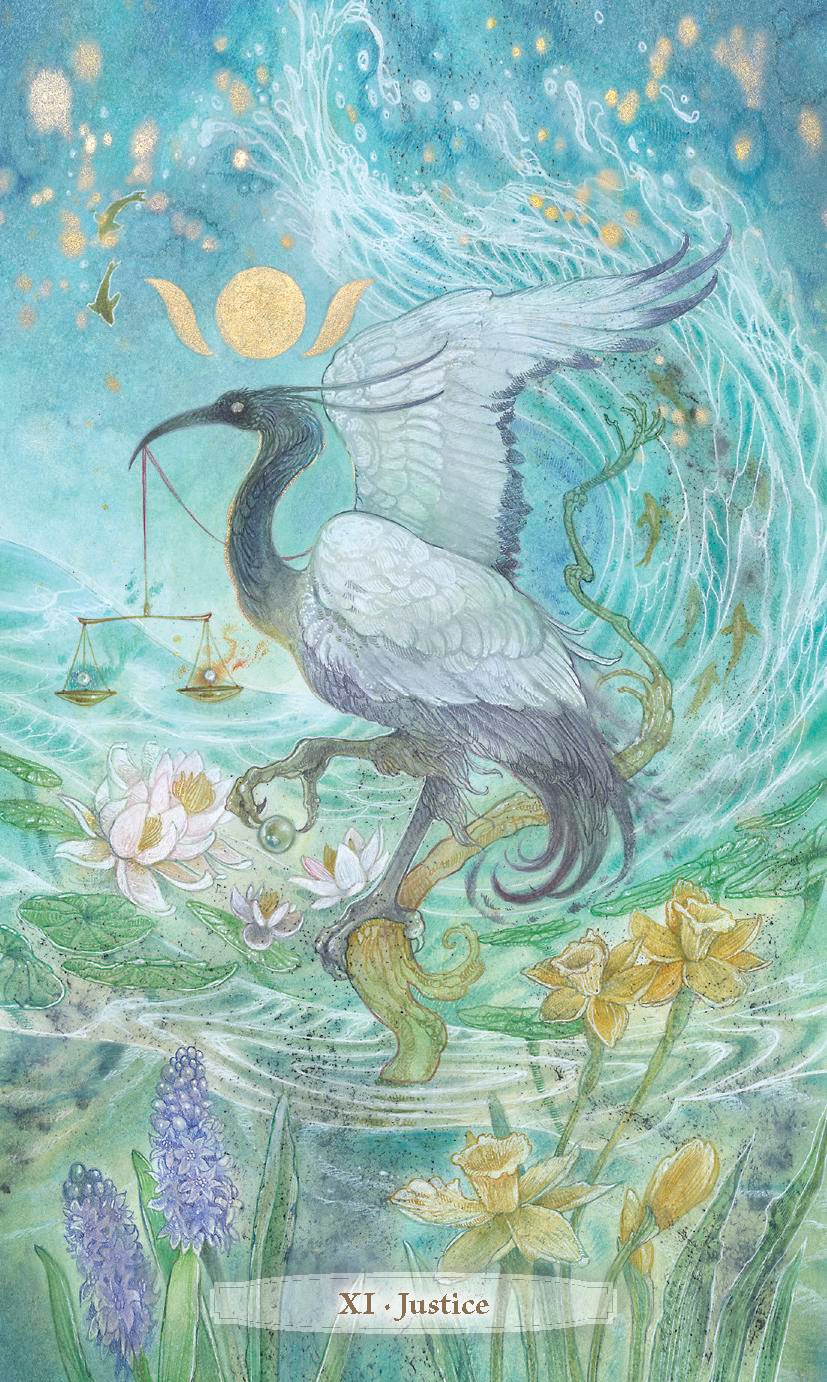
First of all, and unsurprisingly, Law has only grown in skill and sophistication with another 15 years' worth of practice. I find the work to be consistently attractive and attention-grabbing. As compared to Shadowscapes, the art of Verdance has a softer line to it, with the figures more integrated into the entirety of images. There's a lot going on in each card besides the central image; if your style of reading has less to do with what the title of the card means and more to do with what you draw from the entirety of the card, the art in Verdance gives you a lot to work with in every image. Assisting you is one of the better accompanying books that I've had the pleasure of perusing. Law hasn't just done her interpretations of Rider-Waite themes; she has developed (and describes in exquisite detail) her personal symbolic language which she then weaves throughout the images of her deck. The "Symbols Key" portion of the book runs 20 pages(!). The "Companion" provides an additional service with full-page reproduction of each card's art, which is particularly valuable given how intricate many of the images are. The major arcana each receive elaborate write-ups that can run multiple pages in some cases, while the minors largely stick to a single page. Although, and this may be a small thing, but occasionally a card's description would run over to a second page and this was allowed, rather than the thoughts of the author being truncated for logistical reasons.
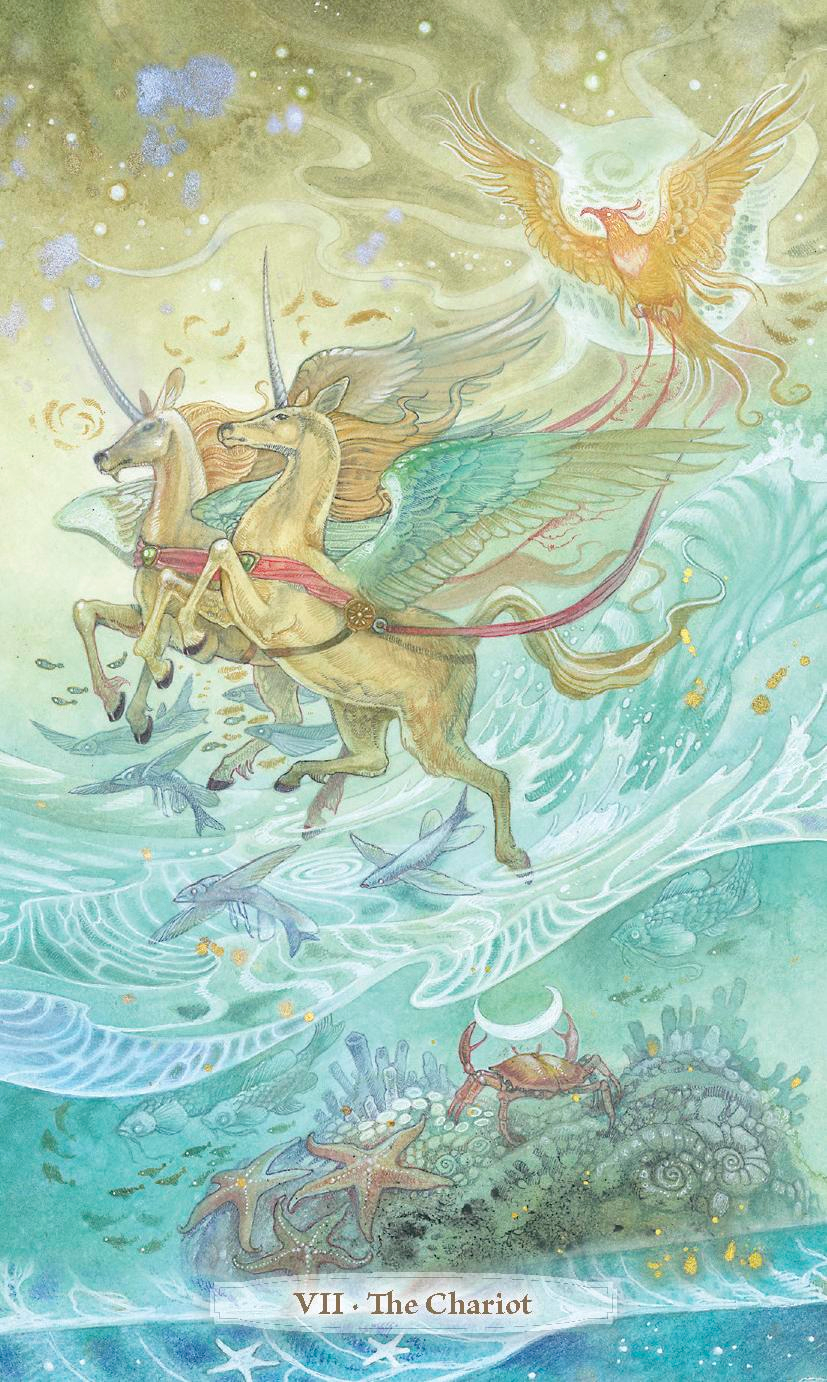
This does lead me to one or two small irritations with the deck. The art borders on too intricate given the size of your typical tarot cards. Maybe being on the north side of 50 years makes it worse, but I often referred to the book just to get a good luck at the card. This goes double for the titles of the cards; especially with the art breaking free of traditional imagery, getting an easy look at the name of the cards could be helpful for some users. (Fortunately for me, I rely a lot less on the cards' titles and more on the imagery.) The quality of the cards themselves seems to be bog standard for the industry, which means "fine." Still, this is about as far as I can stretch in looking for problems with Verdance Tarot.
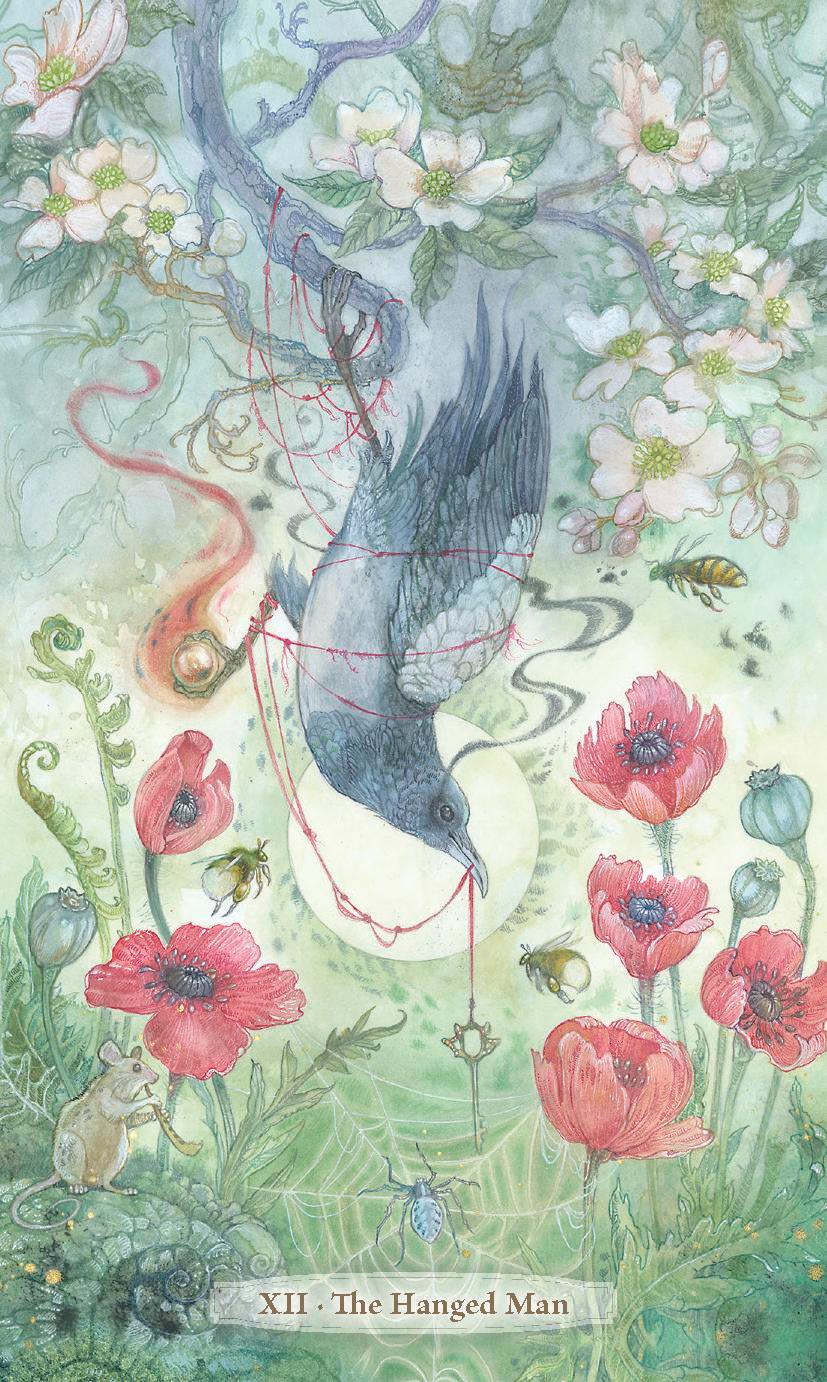
If you have much experience with multiple decks, you know that the reason that there are so many different ones is that different styles resonate with different people. I'd suggest examining the art of the cards to assess your instinctive reaction to them; you can see the entire deck at her website https://www.verdancetarot.com/index.php. If it chimes for you at all, I think you'll enjoy working with this deck.
~review by Wanderer
Author: Stephanie Pui-Mun Law
Llewellyn Worldwide, 2025
pp.: 301, Price: $32.99 (USD)