Folklore is so much fun! Now, non-scholars think of folklore as the fairy tales and costumes of rural areas, quaint and polite and there for the entertainment of tourists, maybe also the revived older religious traditions reverently unearthed from old collections of mythology or reconstructed through research and solemnly performed.
But folk customs are just things people do as groups, things that show who they are and emphasise group norms. They are often loud and uncouth, sometimes threatening and violent like chivarees, where a loud parade of neighbours banging pots and pans will serenade newlyweds. This "rough music" showed disapproval of different types of violation of community norms - a union between an older widower and much younger woman, adulterous relationships, sometimes against wife-beaters or unmarried mothers.
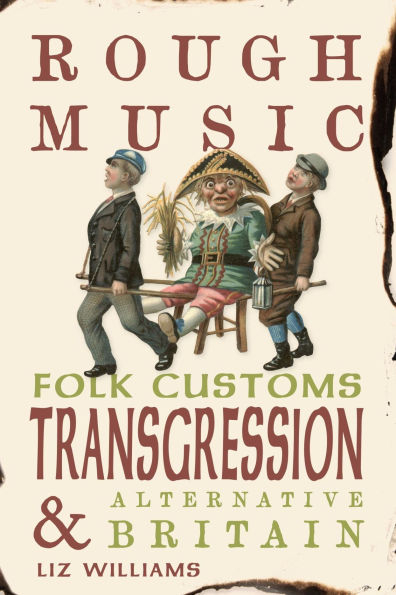
This kind of folk custom is the principal subject of Rough Music – the public shaming, threatening behaviour, bigotry, subversion and disorder. Liz Williams discusses the evolution of folklore, the way that folk customs come into existence and change in their meaning (sometimes quite dramatically) while continuing to be performed, the emergence of new folk customs and the future of folklore. She begins with an introductory chapter outlining what folklore is and how understandings of it have changed, and the claims of antiquity (typically specious) in the creation of “authentic folk customs”. She briefly deals with the influence of Victorian authors James Frazer (Golden Bough), Jane Harrison (Themis; A Study of the Social Origins of Greek Religion), Margaret Murray (Witch-cult in Western Europe), and the later Robert Graves (White Goddess), all of whom were influential in shaping popular ideas of folklore but none of whom are taken seriously now in academia.
Williams then proceeds to an entertaining discussion of various transgressive folk customs of both older and more recent vintage – Jack in the Green, Mari Lwyd, Wassailing, Morris and Molly dancing, Mystery Plays, Bonfire Night, Trick or Treat, Street Football, Skimmity Riding (a version of chiavari) and others. In each chapter she talks about variations and changes in the customs – the emergence of female Morris, the LGBTQ involvement in some customs, racist roots or appropriation of folk customs – and about disruption and rowdy elements directly or indirectly involved in them. And her final chapter on emerging folk customs like roadside shrines, clapping for first responders during the covid lockdowns, internet folklore, gives a feel of how we create folklore and maintain it.
An entertaining and thoughtful book, well-written, full of anecdotes, which will broaden out your understanding and appreciation of folk customs and perhaps your own community’s lore. I’ll also recommend Williams’ earlier Miracles of Our Own Making; A History of Paganism (Reaktion, 2020), an equally well-written and researched survey of British Paganism’s history.
~review by Samuel Wagar
Author: Liz Williams
Reaktion Books, 2025
384 pg. Hardcover £18 / $34 Can / $25 US